
Home / Travel Info
Plan with confidence
Bhutan Travel Information
Visa, the Sustainable Development Fee, flights, seasons and everyday practicalities — everything you need to know before you travel.
Entry to Bhutan
Visa & Sustainable Development Fee
All visitors except citizens of India, Bangladesh and the Maldives need a visa. The fee is US$40, paid once per visit.
You can apply online yourself through the official Department of Tourism portal, or we can apply for you once your itinerary and hotels are confirmed. Indian, Bangladeshi and Maldivian nationals receive an entry permit instead, on arrival or online, and should carry a valid passport or, for Indian nationals, a voter ID card.
Alongside the visa, every visitor pays the Sustainable Development Fee (SDF) for each night in Bhutan. It funds free healthcare and education, conservation and sustainable tourism.
Sustainable Development Fee
- Adults (13 and over)US$100 per night
- Children aged 6–12US$50 per night
- Children under 6Exempt
- Indian nationalsNu. 1,200 per night
- Visa fee (one-off)US$40
SDF rates confirmed by the Department of Tourism until 31 August 2027. We itemise both fees in every quotation.
Getting there
Flying into Paro, or crossing by land
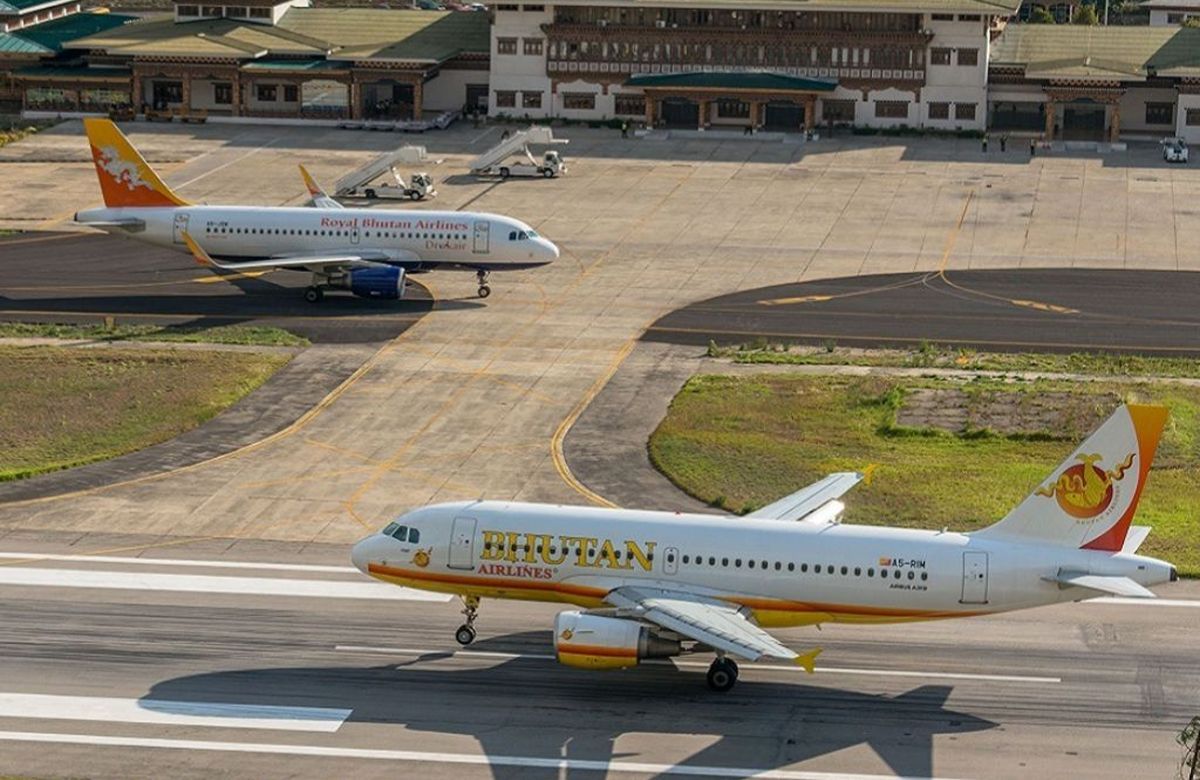
By air. Paro is Bhutan’s principal international airport, served by the two national carriers, Drukair and Bhutan Airlines. Direct flights connect Paro with cities including Delhi, Kolkata, Bagdogra, Kathmandu, Dhaka, Bangkok and Singapore; routes and schedules change by season. The descent into the Paro valley, between forested ridges, is an unforgettable start.
By road. Travellers coming from India can enter at Phuentsholing (opposite Jaigaon, West Bengal), Gelephu or Samdrup Jongkhar. Our Great Traverse ends at Samdrup Jongkhar, so you can leave by a different border from the one you came in by.
Seats into Paro are limited in spring and autumn — we can book your flights as soon as your itinerary is agreed.
Seasons
The best time to visit Bhutan
There is no bad season — only different ones. Here is what each brings.
March – May
Spring
Rhododendrons and magnolias in bloom, mild days and the Paro Tshechu. A favourite for treks.
June – August
Summer
The monsoon: lush green valleys, fewer visitors and cloud over the high peaks. Good for culture tours.
September – November
Autumn
Clear skies, golden rice terraces and the Thimphu Tshechu. The best mountain views of the year.
December – February
Winter
Cold, bright and quiet. Black-necked cranes in Phobjikha and snow on the passes.
Practicalities
Good to know
Guides
You can walk around Paro and Thimphu on your own. A licensed guide is required for dzongs and monuments and for travel beyond those two towns.
Dress in dzongs
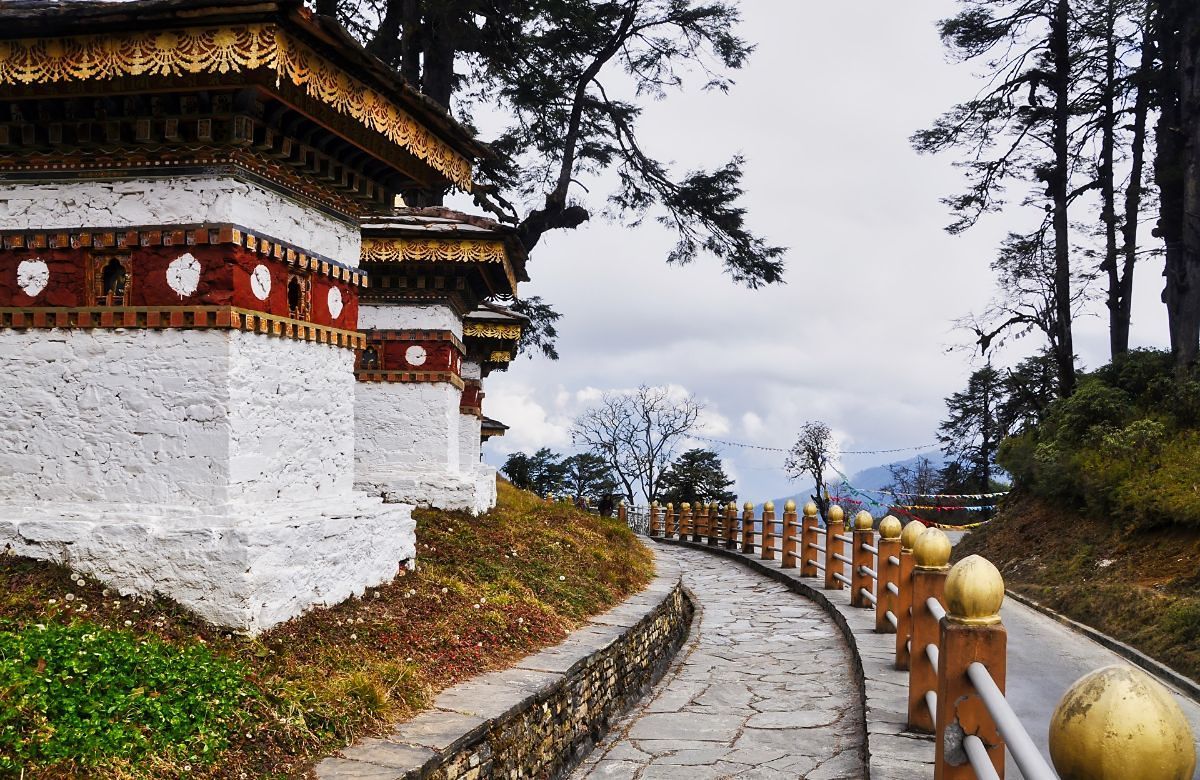
Long sleeves, long trousers or skirts, no hats inside. Remove your shoes where asked and walk clockwise around chortens.
Money
The ngultrum is pegged to the Indian rupee. Cards work in larger hotels and shops; carry cash for villages and small purchases.
Altitude
Paro and Thimphu sit at roughly 2,200–2,600 m, and passes are higher. Take the first days gently and drink plenty of water.
Staying connected
Tourist SIM cards are easy to buy on arrival and most hotels have Wi-Fi, though it can be slow in remote valleys.
Insurance
Not a visa requirement, but strongly recommended — with cover for medical care and evacuation if you plan to trek.
What to pack
- Layers: a warm fleece or down jacket for evenings and passes
- Comfortable walking shoes with good grip
- Long-sleeved shirts and long trousers or skirts for temples
- Sun hat, sunglasses and high-SPF sunscreen
- A light rain jacket, especially June to September
- Any personal medicines, with a copy of prescriptions
- A reusable water bottle
- A universal power adapter (Bhutan runs on 230 V)
Plan your journey
Send Inquiry & Get a Quotation
Tell us when you would like to travel, who is coming and what draws you to Bhutan. We will reply with a draft itinerary and a personal quotation, then shape it with you until it feels right.
- Every journey is private and tailor-made
- Visa, SDF, hotels, guide and transport handled for you
- No obligation — ask as many questions as you like