Tour overview
About this journey
If you only make one journey to Bhutan, this is the one most people remember. It links the three great valleys of the west — Thimphu, Punakha and Paro — and crosses the Dochula pass, where on a clear morning the eastern Himalaya lines up along the horizon.
Punakha is the warm heart of the route. At a lower altitude than Paro or Thimphu, it grows rice and oranges, and its dzong — built where two rivers meet — is for many travellers the most beautiful building in the country. We give it two nights, so you are never checking out the morning after you arrive.
At a glance
- Duration6 nights · 7 days
- Starts / endsParo / Paro
- DifficultyEasy to moderate
- Highest pointAbout 3,120 m (Tiger's Nest)
- Best seasonAll year; spring and autumn are clearest
- StaysHotels in Thimphu, Punakha and Paro
- GroupPrivate — your party only
- PricePersonal quotation on request
Your route
- ParoArrive
- Thimphu2 nights
- Punakha2 nights
- Paro2 nights
Highlights
- Dochula pass and the 108 Druk Wangyal chortens
- Punakha Dzong at the meeting of the Pho Chhu and Mo Chhu rivers
- A field walk to Chimi Lhakhang, the temple of the Divine Madman
- Khamsum Yulley Namgyal Chorten above the Punakha valley
- Buddha Dordenma and the craft schools of Thimphu
- Hike to the Tiger's Nest on your last full day
Day-by-day itinerary
Your guide welcomes you at Paro airport with a white kata scarf. The road follows the Paro Chhu down to Chuzom, where three chortens in different styles mark the meeting of two rivers, then climbs gently up the Wang Chhu to the capital.
After settling into your hotel, take an easy evening walk to the National Memorial Chorten, where Thimphu's elders gather to circle and pray, then along Norzin Lam, the main street, with its famous traffic police box — a city with no traffic lights at all.
Drive: Paro to Thimphu, about 1 hour
Overnight: Thimphu
Start at Buddha Dordenma, the vast seated Buddha on the ridge above the city, then visit the Motithang preserve to see the takin, Bhutan's national animal. Continue to Changangkha Lhakhang, where parents bring newborn children to receive their names and blessings.
In the afternoon, visit the Institute for Zorig Chusum (weekdays) to watch students learning the thirteen traditional arts, and the Folk Heritage Museum, a three-storey farmhouse furnished as a family home would have been. If the day falls at the end of the week, wander the Centenary Farmers' Market beside the river, where chillies, cheese and incense are sold from every stall.
Sightseeing by vehicle with short walks
Overnight: Thimphu
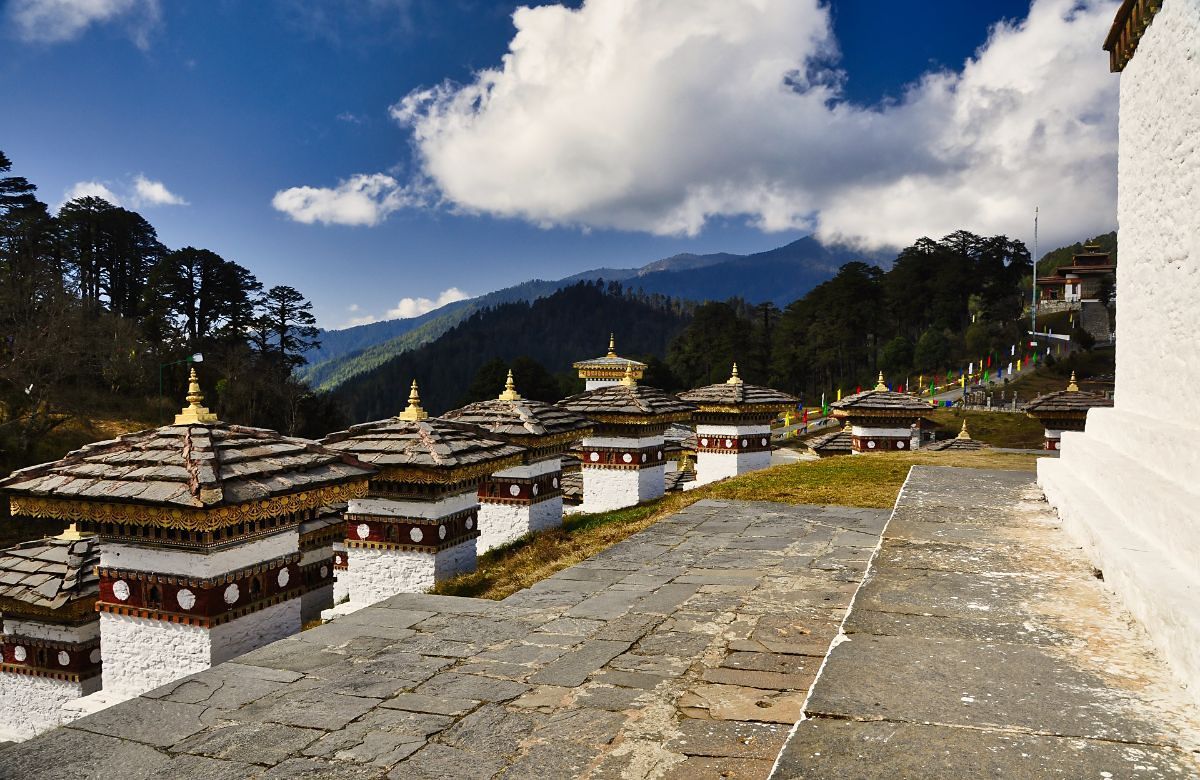
Climb out of Thimphu to the Dochula pass, about 3,100 m, crowned by the 108 Druk Wangyal chortens built by the Queen Mother. On a clear morning — most likely from October to February — the snow peaks of the northern border line the horizon. Take tea at the pass before the long descent through rhododendron and then warmer forest.
Punakha lies more than a thousand metres lower, warm enough for rice and oranges. After lunch, walk for about half an hour through the rice fields of Sopsokha to Chimi Lhakhang, the fertility temple linked to Drukpa Kunley, the "Divine Madman", whose unconventional teachings explain the painted phalluses on the village houses. Couples still come here to ask for the blessing of a child.
Drive: Thimphu to Punakha, about 3 hours with stops
Overnight: Punakha
Cross the covered bridge into Punakha Dzong, built in 1637–38 at the meeting of the Pho Chhu and Mo Chhu — the "male" and "female" rivers. It is the winter home of the central monk body and the place where Bhutan's kings are crowned and married. In spring the courtyards are framed by purple jacaranda.
Later, drive a short way up the valley, cross a suspension bridge and hike up through the fields to Khamsum Yulley Namgyal Chorten, whose rooftop looks down the length of the Punakha valley — about an hour up. On the way back, walk across the long Punakha suspension bridge, strung with prayer flags. River rafting can be added in the right season.
Walks: about 2–3 hours in total
Overnight: Punakha
Leave the Punakha valley after breakfast and climb back to Dochula — the view is often quite different in the other direction, and a second cup of tea at the pass is never wasted. Continue past Thimphu and down the Wang Chhu to Chuzom and the Paro valley. Stop for lunch on the way, perhaps overlooking the river at Chuzom.
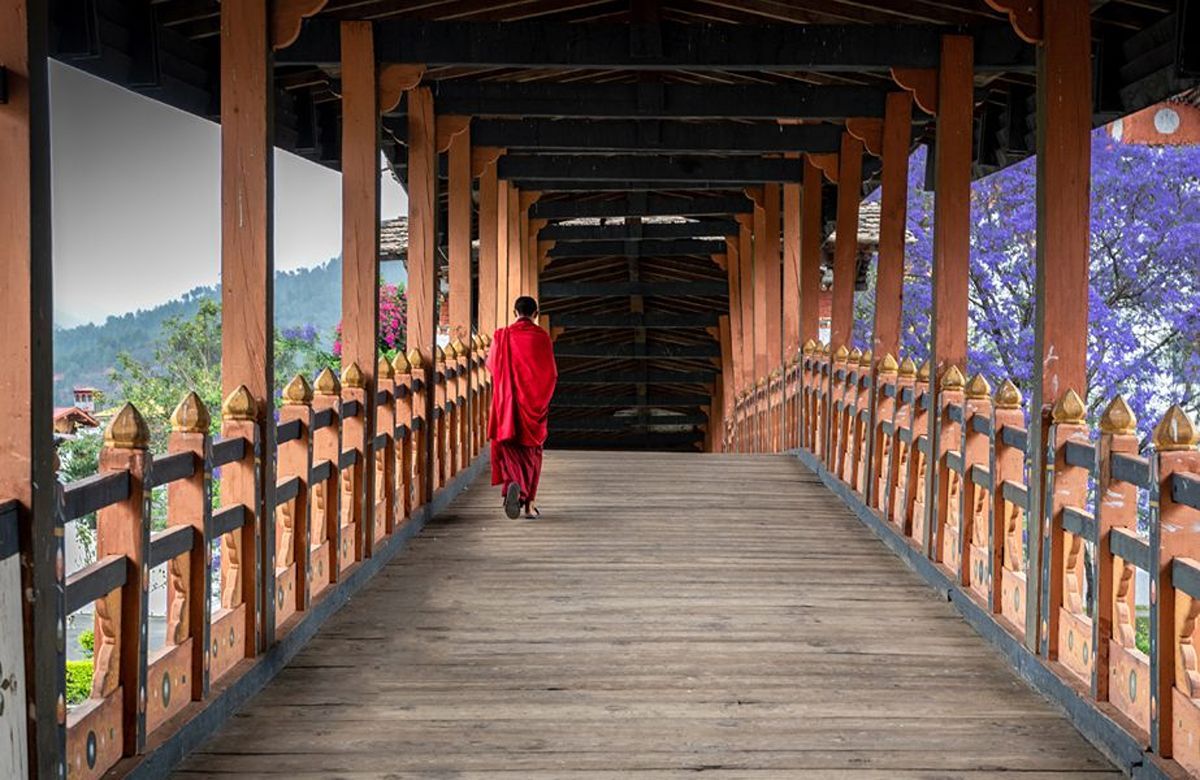
In the afternoon, walk through Rinpung Dzong and over the Nyamai Zam cantilever bridge, and visit the National Museum in the old Ta Dzong watchtower above it, before browsing the craft shops of Paro town. If there is time, your guide can take you to a Paro farmhouse for butter tea and a look at a traditional home, with its altar room and wooden shingled roof.
Drive: Punakha to Paro, about 4–4½ hours
Overnight: Paro
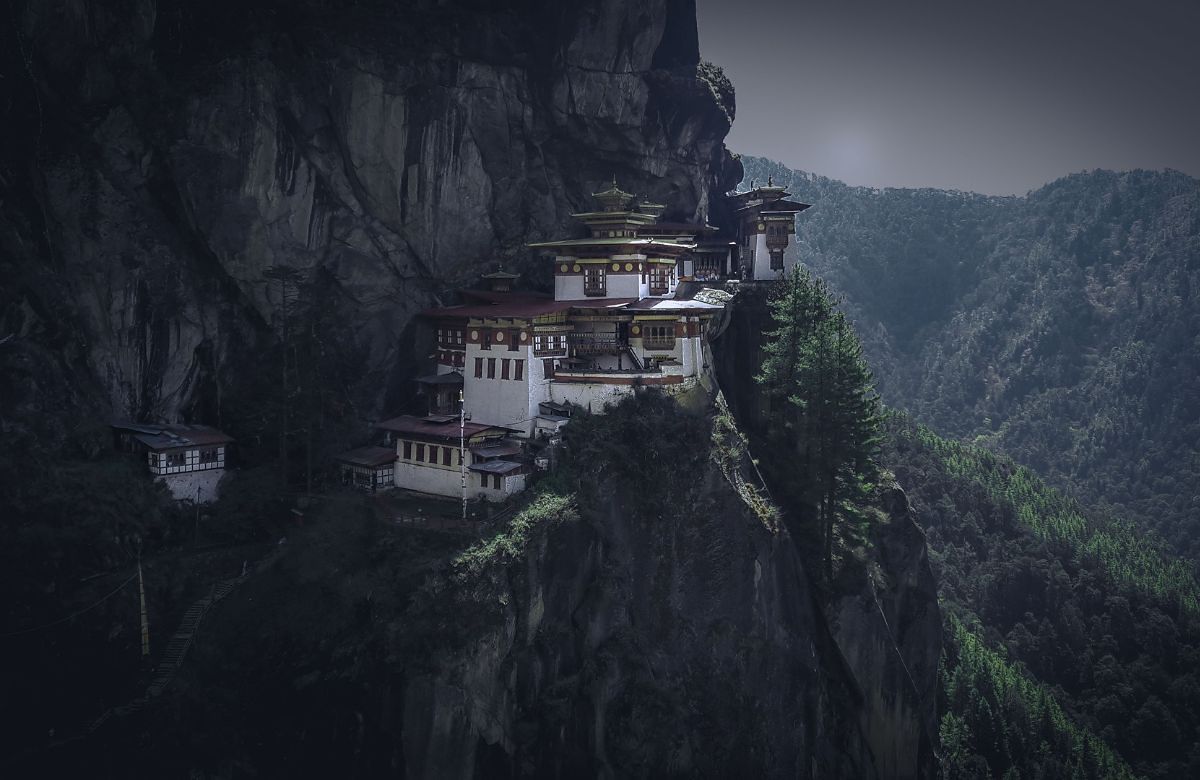
Today is the hike to Paro Taktsang, the Tiger's Nest, built around the cave where Guru Rinpoche is said to have meditated after flying here on a tigress. The trail climbs through pine forest to a cafeteria viewpoint and on to the monastery itself; take all the time you need. Ponies can carry you part of the way up.
After lunch, visit Kyichu Lhakhang, one of the oldest temples in the kingdom, with its orange trees and turning prayer wheels. A farewell dinner in Paro closes the journey — perhaps with a hot-stone bath first.
Hike: about 5–6 hours return
Overnight: Paro
Enjoy a last breakfast with the valley outside your window. Your guide and driver accompany you to Paro airport and help with check-in for your onward flight — the farewells are often warmer than travellers expect.
We will be in touch after you are home to hear how the journey went — and we hope, one day, to welcome you back for the festivals, the treks or the quiet valleys of central Bhutan.
Drive: hotel to Paro airport, 10–30 minutes
What's included
Included
- Bhutan visa processing (the US$40 visa fee is itemised in your quotation)
- Sustainable Development Fee for every night you spend in Bhutan, arranged by us
- A licensed English-speaking guide for the whole journey
- Private vehicle and experienced driver, including Paro airport transfers
- Accommodation in Department of Tourism–certified hotels of the category you choose
- Meals as set out in your quotation — full board is the usual choice
- Entrance fees for the monuments named in the itinerary
- Drinking water in the vehicle throughout
Not included
- International flights to and from Paro (we can book Drukair or Bhutan Airlines for you)
- Travel insurance — strongly recommended, although it is not a visa requirement
- Drinks, laundry, telephone and other personal expenses
- Tips for your guide and driver (always at your discretion)
- Optional activities not named in the itinerary
Gallery
Good to know
- Punakha sits lower and warmer than Paro and Thimphu — pack light layers alongside your warm ones.
- Visiting hours at dzongs can change for official and religious events; your guide will adjust the order of visits if needed.
- Visa (US$40) and the Sustainable Development Fee are arranged by us and itemised in your quotation. See Visa & SDF.
Questions about this tour
Yes. We arrange the SDF for every night of the journey and show it as its own line in the quotation, so you can see exactly what goes to the government and what goes to the trip.
Always. Every departure is private, so the days, the pace and the hotel category can all be adjusted. Tell us what matters to you in the form below and we will reshape the plan around it.
Each tour lists a difficulty and the highest point reached. Bhutan is mountainous, so even gentle tours include stairs at dzongs and some altitude — let us know about any health conditions and we will plan around them.
Cultural Tours
Heart of Western Bhutan
- 6 nights · 7 days
- Easy to moderate
- All year; spring and autumn are clearest
Private tour · Personal quotation · No obligation
Talk to our Thimphu team
Keep exploring
You may also like
Culture
- 5 days
- Thimphu · Paro
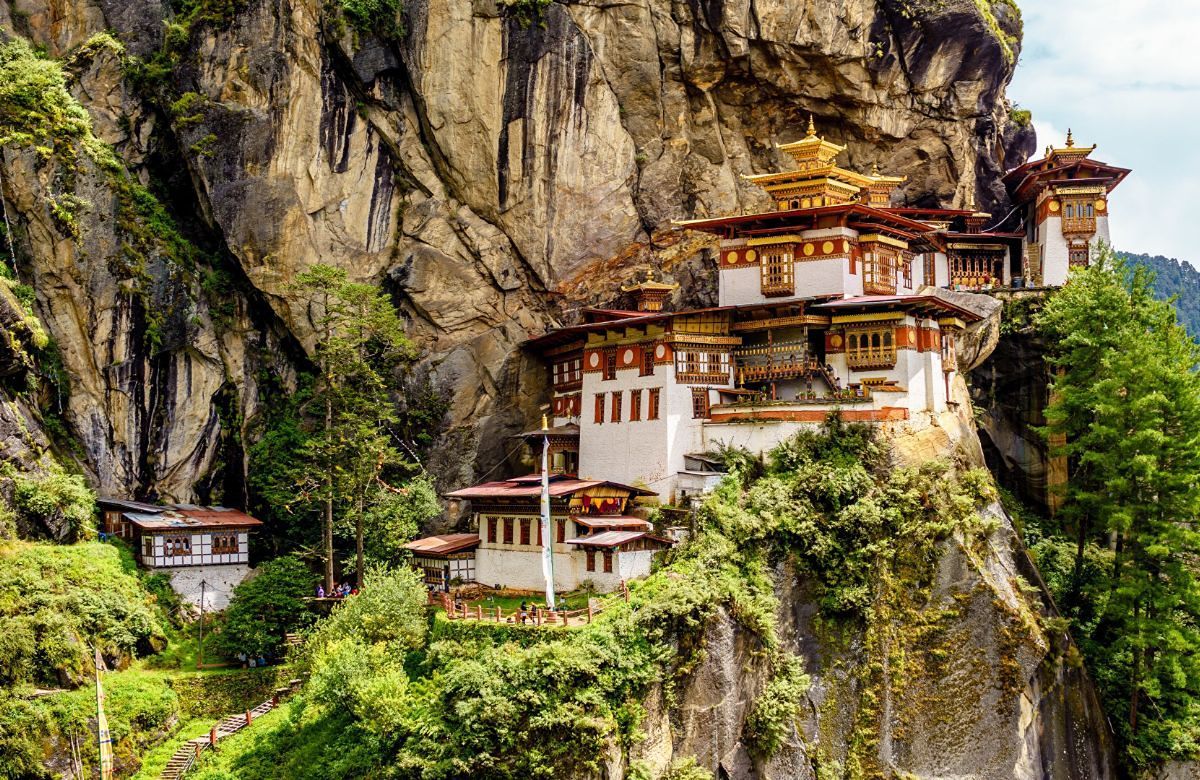
A first taste of Bhutan in five unhurried days: the capital's monuments and markets, then the climb to the monastery that clings to Paro's cliff.
4 nights · 5 days
Culture
- 11 days
- Thimphu · Punakha · Trongsa · Bumthang · Paro
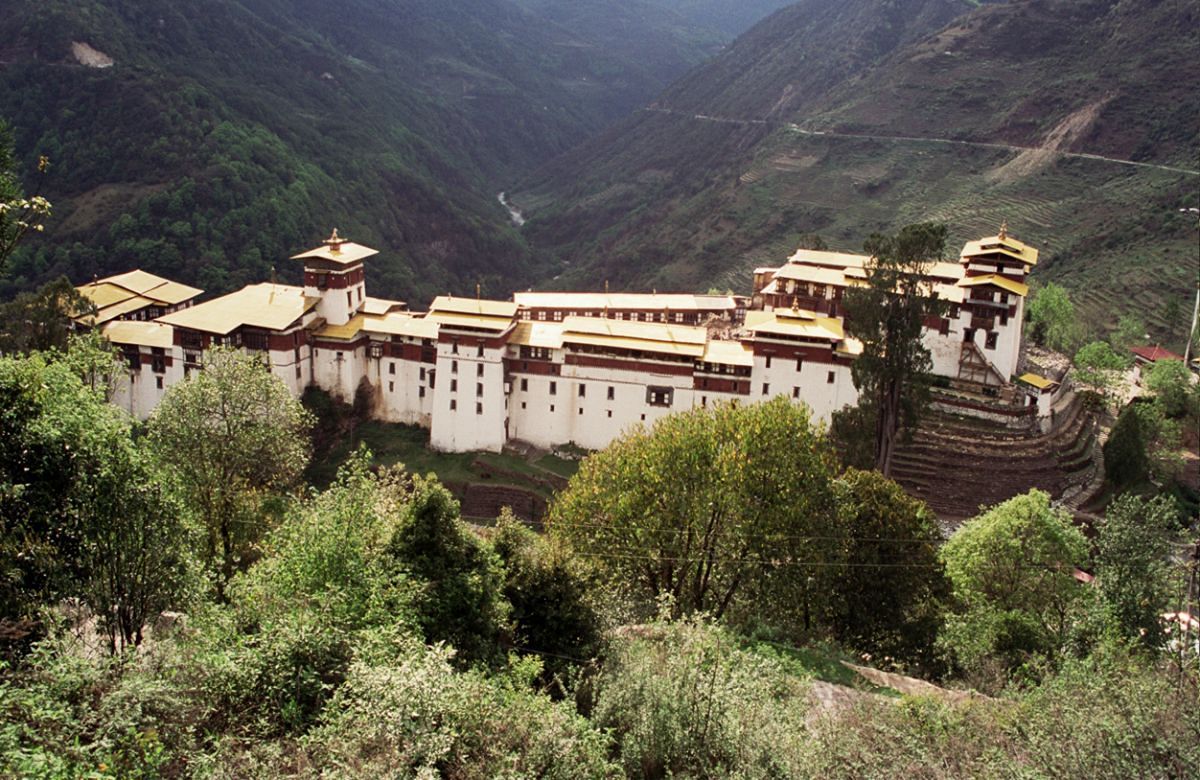
Cross the Black Mountains to Trongsa and on to Bumthang, the cluster of valleys where Buddhism first took root in Bhutan.
10 nights · 11 days
Culture
- 13 days
- Paro · Thimphu · Punakha · Trongsa · Bumthang · Mongar · Trashigang · Samdrup Jongkhar
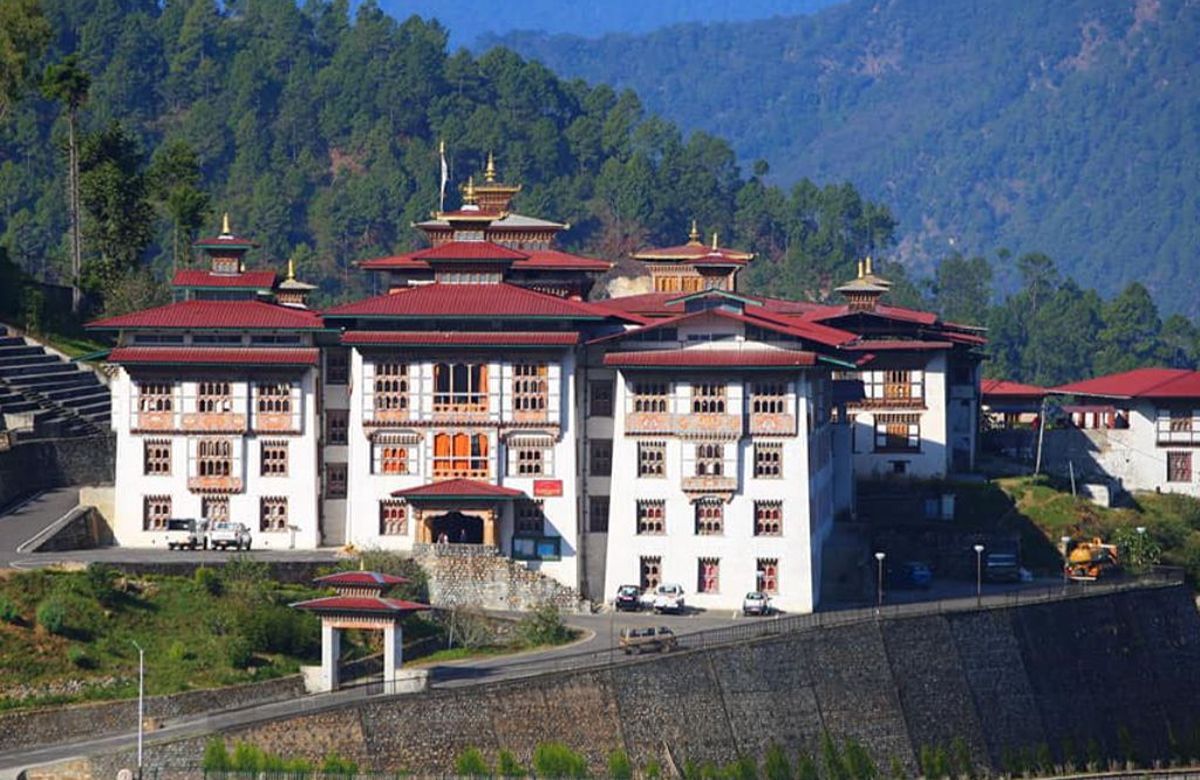
Cross the whole kingdom by road, from Paro in the west to Samdrup Jongkhar on the Indian border, through the least-visited valleys of the east.
12 nights · 13 days
Plan your journey
Send Inquiry & Get a Quotation
Interested in Heart of Western Bhutan? Tell us your dates and who is travelling, and we will send a day-by-day plan and a personal quotation — with the SDF and visa fee shown as their own lines.
- Every journey is private and tailor-made
- Visa, SDF, hotels, guide and transport handled for you
- No obligation — ask as many questions as you like